Screen Layouts Shaping Strategy Choices in European and American Roulette Mobile Games
Hugo Keller · Oct 25, 2026
Screen Layouts Shaping Strategy Choices in European and American Roulette Mobile Games
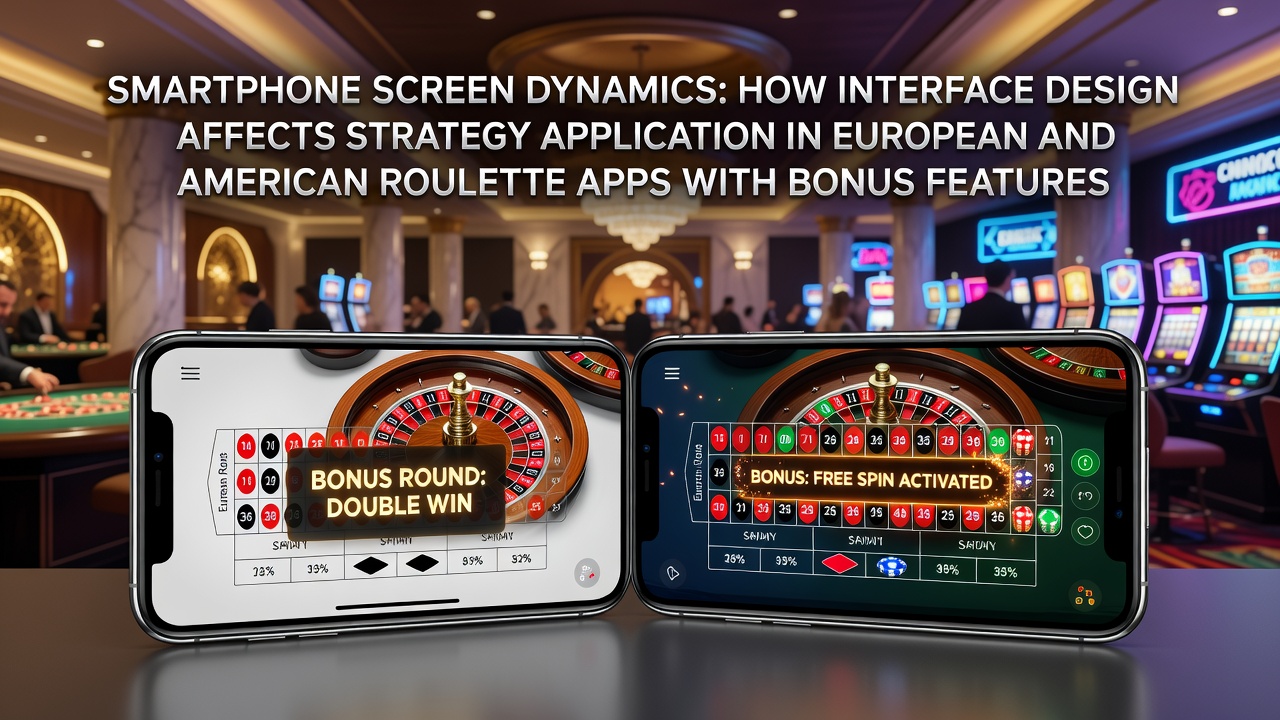
Interface elements on smartphone screens determine how players execute betting patterns in European and American roulette applications that incorporate bonus mechanics, and these dynamics have become more pronounced as mobile platforms expanded their reach through October 2026. European roulette wheels feature a single zero while American versions include both a zero and double zero, differences that alter payout structures and house edges from the outset, yet the way developers arrange touch targets, color contrasts, and real-time feedback loops on small displays influences whether users can apply sequences such as progressive betting or sector coverage without friction.
Core Differences in Wheel Variants and App Presentation
European roulette apps typically display a 37-pocket wheel with streamlined betting options that align with lower house-edge calculations, whereas American variants present 38 pockets and require additional interface space to accommodate the extra zero. Developers adjust grid sizes and button spacing accordingly so that players on compact screens can select inside bets or outside positions without accidental touches, and data from industry reports shows that layout adjustments correlate with higher completion rates for multi-step strategies in single-zero formats. Bonus features, including free spin credits or multiplier rounds, appear as overlay panels that users activate through specific swipe or tap sequences, and these panels occupy screen real estate that might otherwise display historical spin data used for pattern tracking.
Touch Target Design and Strategy Execution
Button sizing and placement affect the speed at which users can double bets after losses or shift wagers across dozens, columns, and streets, elements central to many established approaches. In applications where European roulette interfaces cluster quick-bet chips along the lower edge, observers note fewer interruptions during rapid progression cycles, while American roulette layouts often spread controls to prevent overlap with the double-zero sector indicator. Studies conducted by researchers at the University of Nevada, Las Vegas, indicate that enlarged touch zones reduce input errors by measurable margins during live sessions, allowing more consistent application of coverage tactics that rely on precise chip placement across multiple rounds.
Bonus Integration and Visual Hierarchy
Bonus triggers in these apps frequently appear as animated banners that temporarily obscure portions of the betting grid, and the duration plus positioning of such elements determines whether players maintain focus on their chosen sequence. European variants often tie bonuses to even-money outside bets, prompting interface designers to highlight those sectors with brighter borders during promotional windows, whereas American versions may link rewards to inside number clusters to offset the higher house edge. One analysis from the European Gaming and Betting Association found that apps which fade bonus notifications after three seconds maintain higher adherence to pre-set strategies compared with those that keep overlays visible longer, because users regain full view of the wheel and grid without delay.
Screen Orientation and Real-Time Adjustments
Portrait mode remains the default for most mobile roulette sessions because it preserves vertical space for the wheel animation and history panel, yet landscape orientation expands the betting grid and makes column or dozen selections easier for players following sector-based methods. Application settings that auto-rotate based on device tilt introduce brief pauses while the interface redraws, and these pauses can interrupt timing-dependent approaches that rely on consecutive spins. Developers have responded by allowing users to lock orientation within the app, a feature that research indicates stabilizes strategy flow especially when bonus rounds activate mid-sequence and demand immediate chip adjustments.
Data Patterns Across Regulated Markets
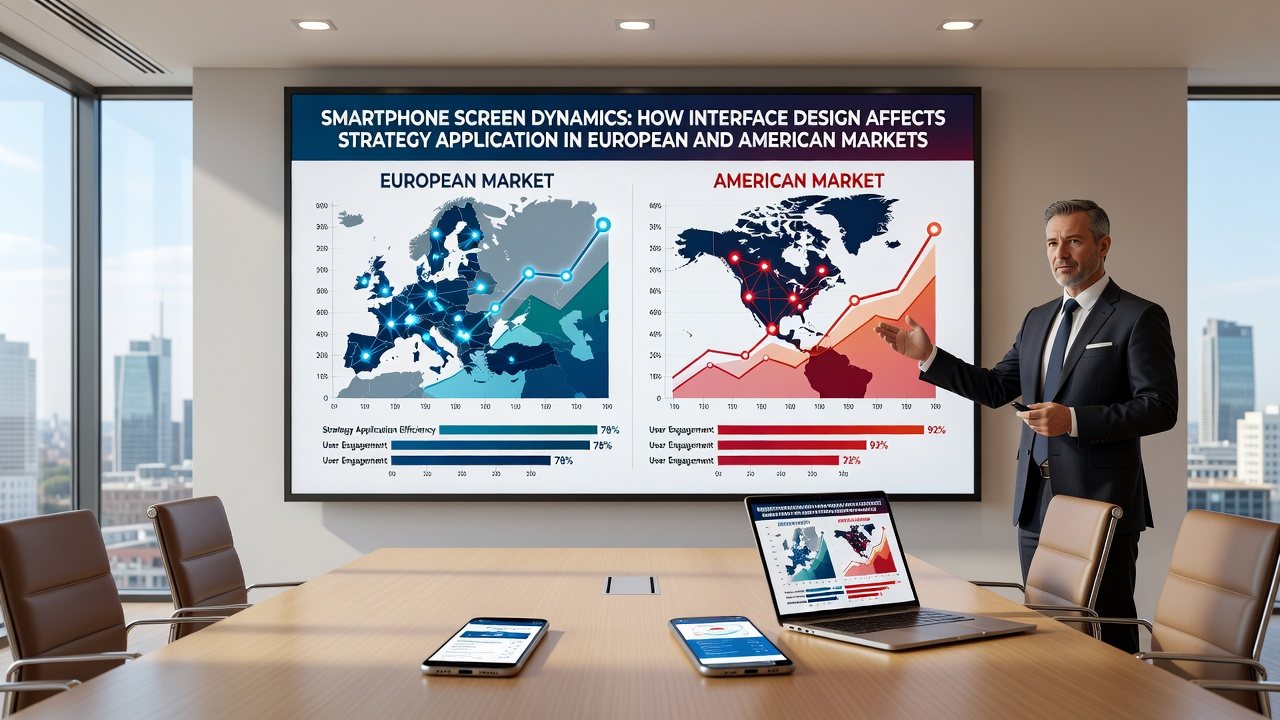
Figures released by regulatory bodies in multiple jurisdictions reveal that mobile roulette accounts for a growing share of table game activity, with interface refinements listed among factors that support sustained engagement. In regions outside the United Kingdom, licensing authorities track session length alongside strategy-related metrics such as average bets per minute, and applications that minimize visual clutter during bonus transitions show steadier patterns of repeated play. Those who examine heat maps of user interactions on smartphone screens find that central grid areas receive the most taps when layouts prioritize quick access to red-black and high-low options, areas frequently used in foundational progression systems.
Conclusion
Interface choices in European and American roulette applications directly shape the practical execution of betting sequences and the timing of bonus activations on smartphone displays. Wheel differences, touch target dimensions, overlay durations, and orientation controls each contribute measurable effects on how consistently users can follow predetermined plans. As platforms continue to refine these elements through late 2026, the relationship between screen dynamics and strategy application remains a central consideration for developers and operators seeking to present both variants clearly within the constraints of mobile hardware.