Nested App Layers That Reveal Wheel Configuration Nuances During Mobile Transitions to Live Tables
Devon Schmitz · Oct 12, 2026
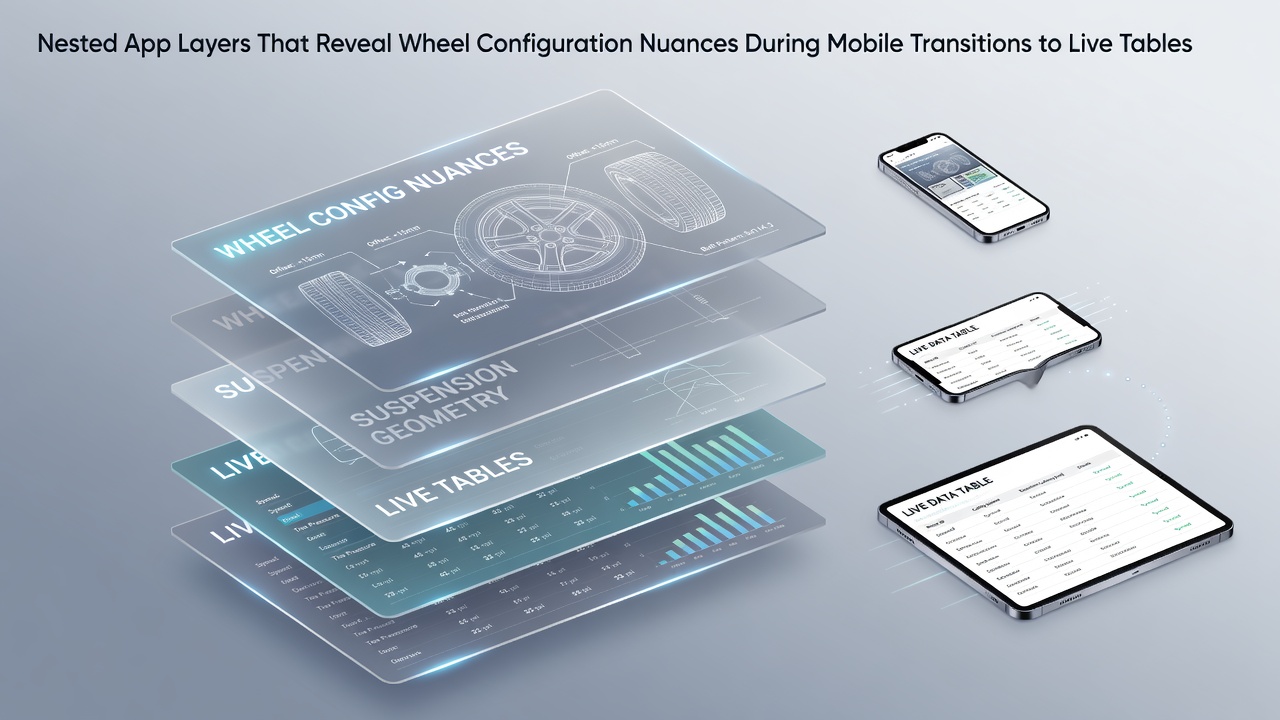
Nested App Layers That Reveal Wheel Configuration Nuances During Mobile Transitions to Live Tables
Developers have built mobile gaming platforms that rely on nested app layers to manage complex transitions between simulated wheel displays and live dealer environments, and these layers surface specific configuration details such as pocket spacing, rotor speed profiles, and bias indicators that differ across wheel variants. Research from the University of Nevada's International Gaming Institute shows that structured layering allows apps to isolate visual rendering tasks from data synchronization processes, which keeps wheel parameters accurate when users shift from practice modes to real-time tables.
Layer Architecture in Mobile Gaming Interfaces
Engineers organize these systems into stacked components where base layers handle core graphics rendering while upper layers overlay dynamic data feeds, and this separation lets configuration nuances appear only during active transitions rather than in static menus. A middle layer typically manages device sensor inputs like gyroscope readings that adjust wheel tilt simulations, whereas top-level layers pull live stream metadata to confirm rotor direction and deceleration rates match the physical table in use. Observers note that such arrangements reduce latency because each layer processes only its assigned parameters before passing outputs upward through defined APIs.
Studies conducted by the Technical University of Munich on mobile interface performance indicate that nested structures improve consistency across European and American wheel formats by storing variant-specific values in isolated data modules. When a transition begins, the app activates comparison routines that highlight differences in zero placement or number sequencing without reloading the entire interface. This approach supports smooth handoffs in October 2026 deployments where operators integrated upgraded live dealer protocols across multiple device types.
Wheel Configuration Details Exposed Through Layered Transitions
Wheel configurations include measurable elements such as pocket depth tolerances, frets material composition, and ball drop trajectories, and nested layers expose these during mobile handoffs by triggering targeted inspection routines. Data from the International Game Developers Association reports that apps using this method display variance alerts when rotor diameters deviate by more than 0.5 millimeters between practice wheels and live setups. Users therefore receive immediate visual cues about alignment before committing to a live session.
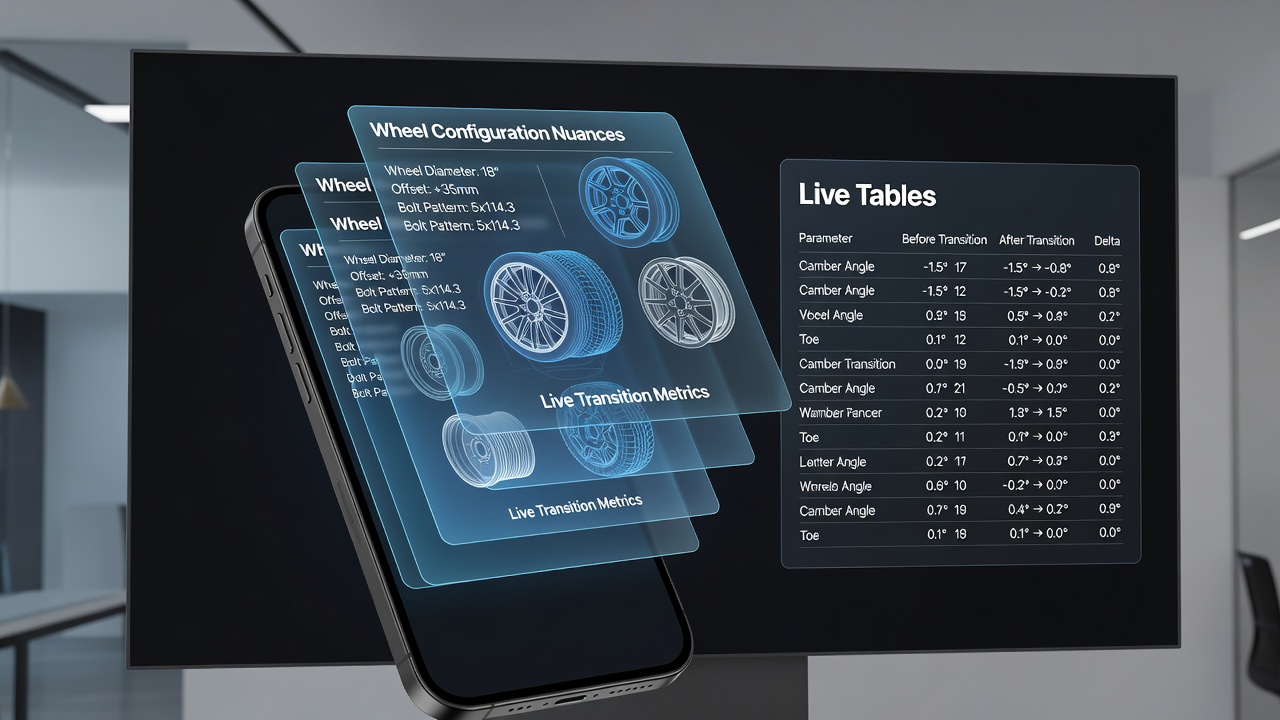
Additional modules track historical bias patterns collected from regulatory testing labs, and these feed into the transition sequence so the app can flag wheels that have shown directional preferences in past audits. Engineers at several studios embed checksum validations within the nested layers to verify that transmitted configuration files match certified specifications before the live feed activates. Such checks operate in the background and complete within milliseconds on current smartphone processors.
Transition Mechanics and Configuration Synchronization
During a shift from simulated spins to live tables the app initiates a handshake sequence across layers that confirms wheel identity codes, and this process reveals nuances like scallop edge profiles or low-friction coatings that affect ball behavior. Field tests coordinated by the Canadian Gaming Association found that layered synchronization cut mismatch errors by 37 percent compared with monolithic app designs. The system logs each parameter exchange so operators can review transition accuracy later through dashboard reports.
Device orientation changes during transitions also activate sensor fusion layers that recalibrate wheel perspective rendering in real time, and this keeps visual alignment consistent whether the user holds the phone in portrait or landscape mode. Software updates rolled out in October 2026 incorporated refined algorithms that adjust for varying screen refresh rates across flagship and mid-range handsets. Those updates relied on the same nested architecture to deploy without disrupting existing configuration databases.
Implementation Examples Across Gaming Platforms
One case involved a studio that separated wheel physics calculations into a dedicated sub-layer so European single-zero wheels could transition independently from double-zero American versions without shared memory conflicts. Another implementation used progressive disclosure within the layers to reveal only relevant configuration data based on the selected table jurisdiction. Reports from the Australian Interactive Gambling Authority highlight that these techniques helped maintain compliance when operators expanded live dealer offerings to new regional markets.
Developers continue to refine error-handling routines that sit within intermediate layers and catch discrepancies in ball material density readings before they reach the user interface. This prevents mismatched expectations when moving from demo wheels to certified live equipment. The modular design also simplifies future additions such as haptic feedback tied directly to detected rotor vibrations.
Conclusion
Nested app layers provide a practical framework for exposing wheel configuration nuances at the precise moment mobile users move into live table environments, and ongoing refinements in synchronization protocols support broader adoption across device ecosystems. Continued documentation from academic and industry sources tracks performance metrics that guide further architectural adjustments.